
The Environmental Blueprint and Technical Imperatives of Peruvian Blueberry Hubs
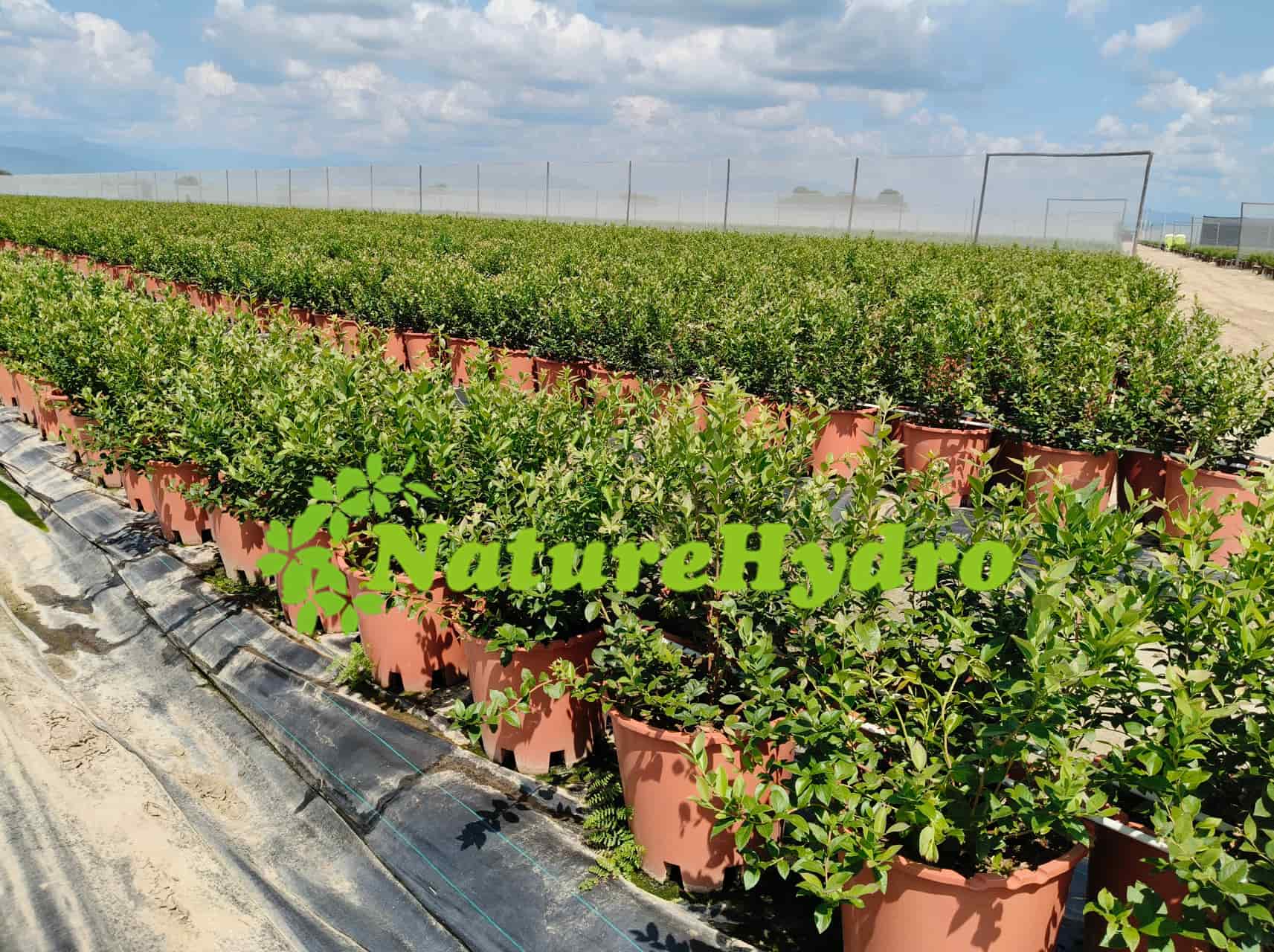
In the competitive landscape of international berry supply chains, Peru has established itself as a premier global exporter, primarily driven by its unique coastal desert microclimates and strategic counter-seasonal production windows. However, establishing a high-density commercial blueberry plantation in regions like La Libertad or Ica presents formidable soil and hydrological challenges. The native coastal soils of Peru are frequently characterized by high salinity, poor organic structure, and inadequate natural drainage, making direct-to-soil planting a high-risk venture for uniform root development. To achieve the aggressive yield targets required for quick return on investment, large-scale agricultural enterprises are heavily transitioning to advanced soilless substrate cultivation. Within this industrialized framework, the root zone environment becomes the single most critical factor determining plant longevity and fruit caliber. It is against this backdrop of rigorous agronomic demands that Naturehydro deployed its specialized 35L blueberry drainage pots for a signature commercial project in Peru, demonstrating how precise container engineering directly correlates with enhanced crop performance and operational efficiency.
Deconstructing the Architecture of the Naturehydro 35L Substrate Pot
Success in large-scale hydroponic berry cultivation requires a container that acts as a dynamic growth regulator rather than a passive receptacle. The Naturehydro 35L substrate pot used in this Peruvian project was engineered specifically to address the precise root volume requirements of mature, high-yielding blueberry cultivars over a multi-year life cycle. Fabricated from a highly durable composite of high-quality polypropylene (PP) and rubber, the structural integrity of the container is optimized to withstand intense UV exposure, significant thermal fluctuations, and continuous mechanical stress from field management without degradation. The material composition ensures the pot maintains its flexible strength, preventing the brittle cracking common in standard plastic containers under the arid Peruvian sun. More importantly, the internal architecture of the pot integrates advanced air-pruning technology through strategically placed lateral ventilation and an elevated base profile. This design forces the blueberry plant’s sensitive, fibrous root system to self-prune when reaching the container edge, preventing root circling and instead stimulating the continuous formation of highly efficient, localized fine feeder roots that maximize nutrient uptake.
Solving the Hydrological Bottleneck: Advanced Root Zone Drainage Engineering
The most significant risk in commercial substrate blueberry cultivation is perched water tables within the container, which inevitably leads to root asphyxiation and the rapid onset of destructive pathogens such as Phytophthora cinnamomi. In the coastal desert plantations of Peru, where automated drip irrigation systems deliver nutrient solutions multiple times a day based on strict electrical conductivity (EC) and pH parameters, the drainage capacity of the pot must match the input volume flawlessly. Naturehydro solved this bottleneck by integrating a specialized heavy-duty drainage grid into the elevated floor of the 35L pot. This drainage configuration features a distinct cross-slotted bottom architecture that creates an optimal air gap between the substrate and the soil surface. By lifting the base of the root zone completely off the ground, the design prevents any potential capillary rise or re-absorption of discharged, high-EC drainage water from the plantation floor. This rapid-drainage engineering guarantees that the oxygen levels within the substrate matrix remain consistently high, creating an ideal aerobic environment where roots can thrive without the stress of waterlogging or salt accumulation in the lower third of the pot.
Quantifiable Operational Success and Long-Term Field Agronomy
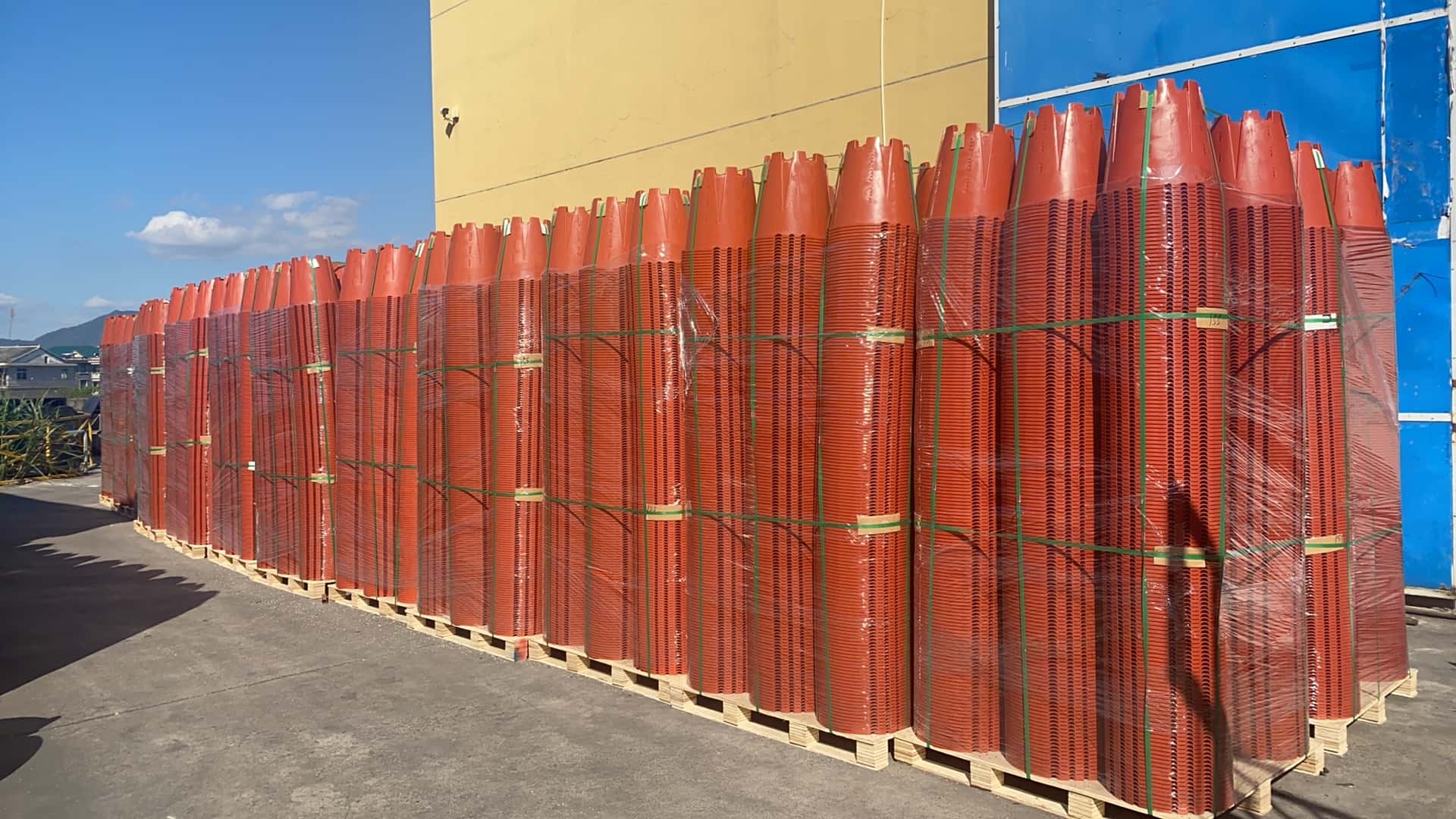
The implementation of Naturehydro’s 35L substrate drainage pots across the Peruvian commercial base yielded immediate, measurable improvements in both agronomic metrics and operational logistics. By transitioning to this high-capacity, precisely engineered container system, the project team achieved a highly uniform vegetative growth rate across the entire block, significantly reducing the labor costs typically associated with sorting and managing unevenly developed plants. The optimized air-pruning and rapid drainage characteristics resulted in a significantly more resilient root mass, allowing the plants to sustain peak nutrient absorption even during periods of intense summer heat. Over consecutive harvest cycles, the plantation recorded a noticeable increase in fruit firmness and average berry size, directly translating to higher market valuation for export. Furthermore, the robust PP and rubber composite construction proved its long-term economic value; after multiple seasons of intensive field operations, the pots showed zero structural failure, validating Naturehydro’s commitment to industrial-grade durability and proving that advanced root zone engineering is the definitive foundational investment for modern commercial berry enterprises.
Post time: May-25-2026